
Picon beer combines a blonde beer with a bitter syrup made from orange peels and gentian. This aperitif, popular in northern France, is often presented as beneficial for digestion. The question deserves to be asked in precise terms: what in this combination actually acts on the digestive system, and what is a marketing legacy never verified by science?
Gentian and orange peels: the bitter compounds of Picon and their digestive role
Picon is not a beer. It is a herbal bitter that is poured into beer at the time of serving. Two ingredients form the basis of its recipe: bitter orange peel and gentian.
These plants have long been used in phytotherapy for their aperitif properties. Gentian is known to stimulate the secretion of gastric juices due to its bitter compounds. Bitter orange peel acts through a similar mechanism, promoting bile production.
These effects are documented within the framework of traditional phytotherapy. They have not been evaluated in the specific context of Picon as a finished product.
To fully understand the benefits of Picon beer as they are often described, the distinction matters: the concentration of active principles in a glass of Picon beer remains low compared to a gentian herbal tea or a standardized extract.

Picon beer and microbiota: what beer provides (and what Picon does not)
Some research suggests that moderate beer consumption could help diversify the gut microbiota. The polyphenols present in beer would promote the development of beneficial microorganisms in the colon.
These studies focused on beer in general, not on Picon. No published research has isolated the effect of the bitter syrup and beer mixture on the intestinal flora. Attributing results obtained with standard blonde beer to Picon beer is a shortcut.
What beer studies have actually measured
The available data pertains to beer consumed alone, without the addition of syrup or extra alcohol. Some results indicate that polyphenols, rather than ethanol, may be the active factor in the observed effect on bacterial diversity.
Picon adds sugar, extra alcohol, and citrus flavors to the beer. The impact of these additions on the microbiota has not been studied. Sugar, in particular, can feed unfavorable bacteria in the intestine and counteract the positive effect of polyphenols.
Regulatory status of Picon: beverage, remedy, or simple aperitif?
Originally, Picon was designed as an aperitif bitter. It later became the central ingredient of a counter ritual in northern France, before migrating to the realm of the aperitif as we know it today.
Picon does not have any health claims validated by European health authorities. It is classified as a bitter spirit, not as a dietary supplement or a phytotherapy product. No mention related to digestion appears on its official label.
The difference between tradition and clinical evidence
The past use of a beverage as a remedy does not constitute proof of effectiveness. Validation standards have changed. For a product to claim an effect on digestion in Europe, it must be evaluated by the competent health authorities. Picon has never undergone such an evaluation.
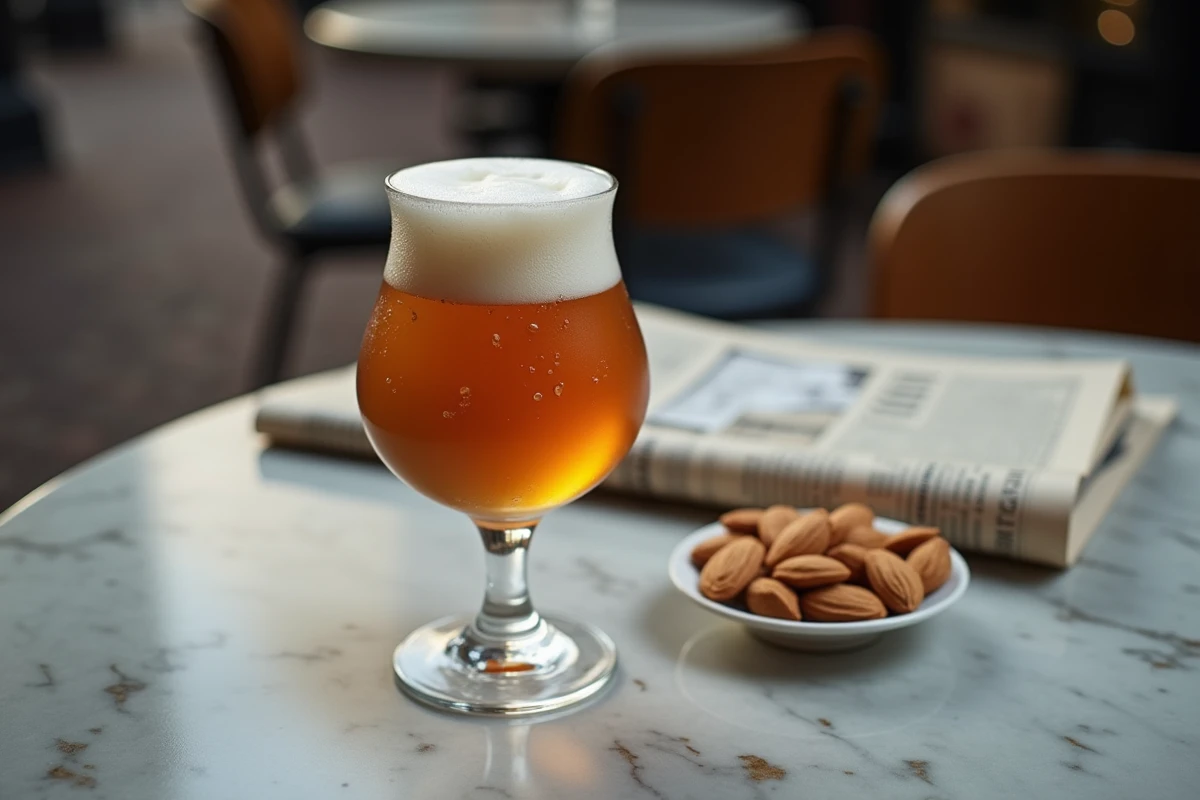
Picon beer and digestion: the concrete limits to know
Consuming a Picon beer occasionally does not pose a problem for most healthy adults. Attributing specific digestive virtues to it is another matter.
- The bitter substances from gentian stimulate gastric secretions, but their concentration in a glass of Picon beer remains much lower than that of a dosed phytotherapeutic extract
- The alcohol in the mixture (beer + Picon) can irritate the gastric mucosa and worsen conditions like reflux or ulcers, which goes against any digestive benefit
- The added sugar in the Picon syrup can disrupt the balance of the intestinal microbiota in sensitive individuals
- No clinical study has tested Picon beer as a complete preparation on measurable digestive parameters
For individuals suffering from digestive disorders (irritable bowel syndrome, gastroesophageal reflux, gastritis), the consumption of bitter alcoholic beverages is generally discouraged by gastroenterologists.
Fermentation and bitter beverages: better-documented avenues
Non-alcoholic fermented beverages (kefir, kombucha) have more data on their probiotic effect. Non-alcoholic beer, rich in polyphenols but devoid of ethanol, represents a more coherent alternative for those seeking a gut benefit without the downsides of alcohol.
Picon beer remains an aperitif rooted in a strong regional tradition. Its bitter components have documented properties in phytotherapy, but no clinical evidence validates the Picon-beer mixture as a digestive aid. Enjoying this drink for its characteristic citrus and bitterness is entirely legitimate. Making it an ally of digestion, given the current state of knowledge, is more a matter of cultural habit than physiological reality.