A raw statistic, a sharp graph: some medical specialties see more interns quitting than others, even though they are terribly selective at entry. The wide gap between the prestige of the exam and the reality of daily life reveals unexpected logics: securing the most sought-after specialty does not guarantee one can withstand its demands, quite the opposite.
Interns’ feedback confirms this every year: the intensity of on-call duties, accumulated fatigue, and the pressure of heavy decisions often take precedence over the prestige displayed on paper or the promise of a comfortable salary. Objective criteria, such as the number of hours, density of knowledge, and responsibilities, intertwine with the most personal feelings. This mix shapes paths where the certainties of the first day can sometimes crumble very quickly.
Understanding the difficulty of medical specialties: between academic demands and field realities
Pursuing a medical degree in France means committing to a long tunnel, marked by both theoretical and practical challenges. From the very beginning of the medical studies cycle, a ruthless selection process takes place: exams, partials, repeated internships, and finally the residency that serves as the ultimate filter. However, reducing the difficulty to the amount of work would be simplistic. It also lies in the obligation to stay updated in a constantly evolving science, to manage the pressure of an overwhelmed service, and to face difficult, sometimes tragic, human situations.
In certain fields, the complexity of subjects adds an extra layer to the emotional tension. The dropout rate remains high in specialties where technicality reaches peaks: surgery, intensive medicine… Interns who engage in these areas speak of a double challenge: constantly assimilating new knowledge while managing a frantic pace, where the slightest mistake can be costly. Stress management thus becomes a survival lever as much as a professional skill.
Difficulties vary by discipline. Some must learn to act urgently in the operating room; others, to navigate the uncertainty of a diagnosis in intensive care, or to face life-threatening emergencies. Specialties like pathological anatomy impose unwavering scientific rigor. Workload, pressure from specialty choices, confrontation with human distress: all these elements shape a daily life far from clichés. To obtain more details on the most difficult medical specialties, the voices of interns and cross-analyses shed light on the reality of these sometimes radical professional choices.
Which disciplines are considered the most complex and why?
Several criteria help identify the more difficult specialties: density of knowledge to master, exhausting pace, emotional load, degree of technicality. Surgery remains the flagship of this hierarchy. Between long shifts, meticulous gestures, immense responsibility, and constant stress, it demands extraordinary endurance. Certain branches, such as maxillofacial surgery or plastic reconstructive aesthetic surgery, require mastery of anatomy combined with manual precision and an artistic sense for reconstruction.
Outside the operating room, anesthesia and intensive care place interns in an environment where every minute counts. Here, the slightest error weighs heavily, and vigilance knows no pause. Stress becomes a daily companion, driven by the gravity of situations and the need to act quickly. Tropical infectious diseases add to the picture: they require a deep understanding of epidemics and rare pathologies, often in complex working conditions.
Pathological cytology anatomy demands thoroughness: every diagnosis requires meticulous analysis, leaving no room for approximation. Forensic medicine confronts one with violence, death, and expertise where the human intersects with the judicial. Other disciplines like cardiology, obstetric gynecology, or internal medicine require rapid adaptation and constant versatility. Ultimately, the ranking of specialties reflects a mosaic of challenges, where each discipline draws its own lines of fracture between scientific demands, human commitment, and mental resilience.
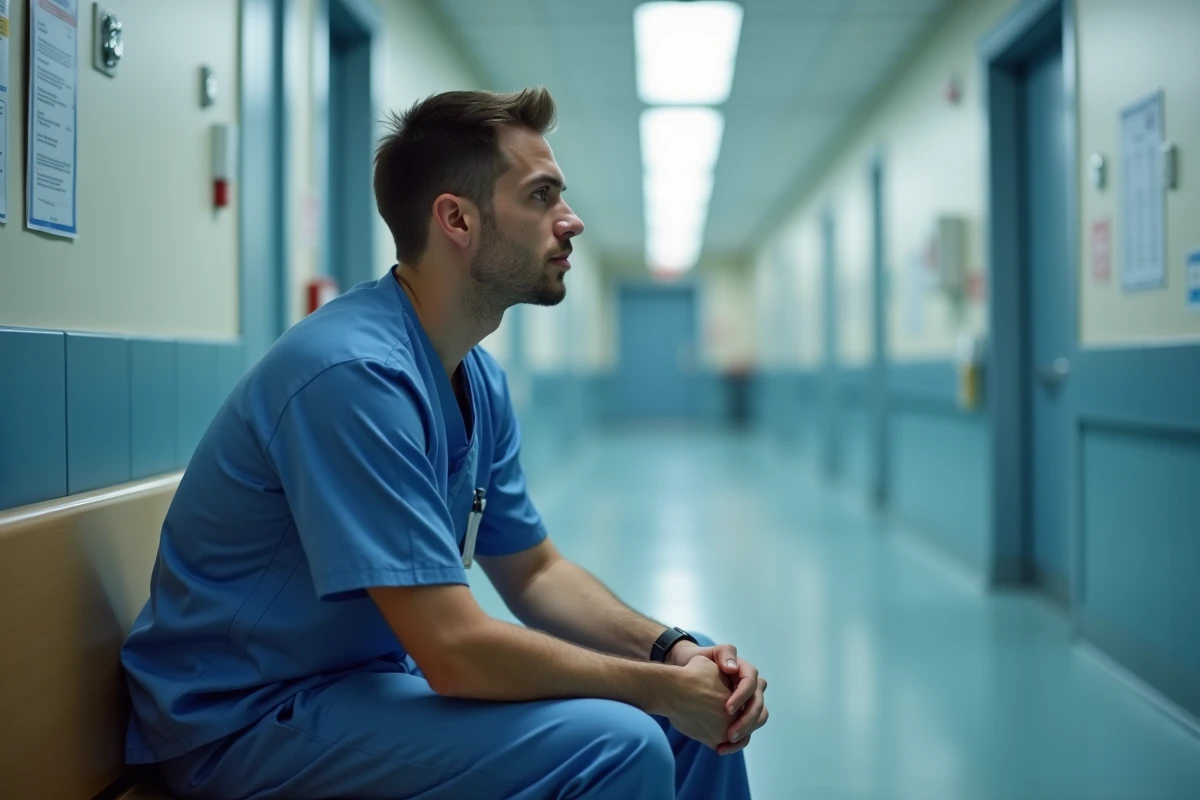
Choosing a specialty: guidelines, testimonials, and advice for navigating with confidence
Listen, observe, question
The choice of specialty often marks a decisive turning point, sometimes even a moment of self-reflection. For many interns, it involves confronting dreams with reality, grappling with the constraints of the service and group dynamics. Exchanges with a senior physician, informal discussions among peers serve as a compass in this labyrinth.
Here are some points that interns highlight when discussing this pivotal moment:
- The internship confronts one with daily routines, unforeseen events, and the hierarchical organization of the service.
- Mentorship allows for progress with personalized support, invaluable for navigating periods of doubt as well as successes.
- Peer support offers concrete solidarity in the face of difficulty and the sometimes heavy feeling of isolation.
There is no shortage of testimonials. A radiology intern recounts the challenge of interpreting images, while a general practitioner emphasizes the variety of cases and time management. The ENT specialist highlights the balance between technique and long-term patient follow-up. The national management center publishes annual rankings of practice cities, a criterion that increasingly influences the final choice.
The diversity of specialty groups, occupational medicine, public health, hospital disciplines, forces one to move beyond clichés. The demand for certain specialties also influences recruitment and career prospects. There is no recipe: only an honest confrontation between aspirations, field experiences, and advice from those who have already crossed the threshold allows one to move forward with clarity. The real challenge, ultimately, is to reconcile ambition and reality without ever losing sight of one’s vocation.