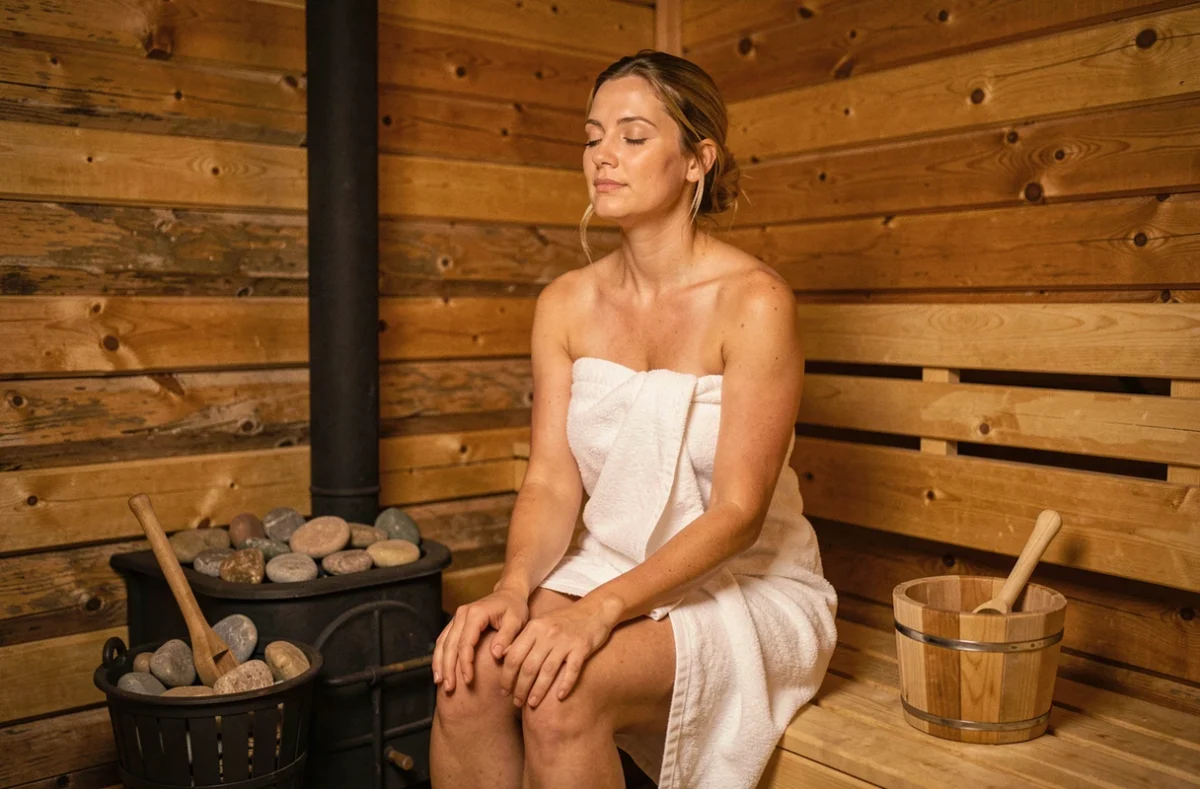
A high-performance sauna space is not just a hot cabin and a few towels. Thermal design, the choice of heat type, regulatory obligations for a public space, and actual medical contraindications create a framework that is much more demanding than what most wellness guides suggest.
Technical constraints of a public sauna space
A wellness facility open to the public may fall under the regime of 5th category ERP. This implies a safety register, appropriate extinguishing means, and a public accessibility register. The exact qualification depends on the building’s configuration, capacity, and declared activity.
We observe that these obligations are often underestimated by wellness project leaders. An operator installing a sauna cabin in a hotel, a guesthouse, or a coworking space must check if their facility requires specific compliance.
Ventilation is a critical point. A poorly ventilated cabin accumulates residual moisture in the walls, promotes mold, and degrades air quality. Extraction must be sized according to the cabin’s volume and the number of daily users. For those who wish to delve deeper into wellness on Sauna Imelda, the question of technical sizing is addressed from a practical perspective.
The choice of wood species for the interior cladding is not aesthetic: it affects thermal resistance, skin contact reaction, and durability. Softwoods like spruce or pine release sap at high temperatures. Aspen, alder, or red cedar remain the standards for benches in direct contact with the skin.
Finnish sauna, infrared, or steam: what heat really changes
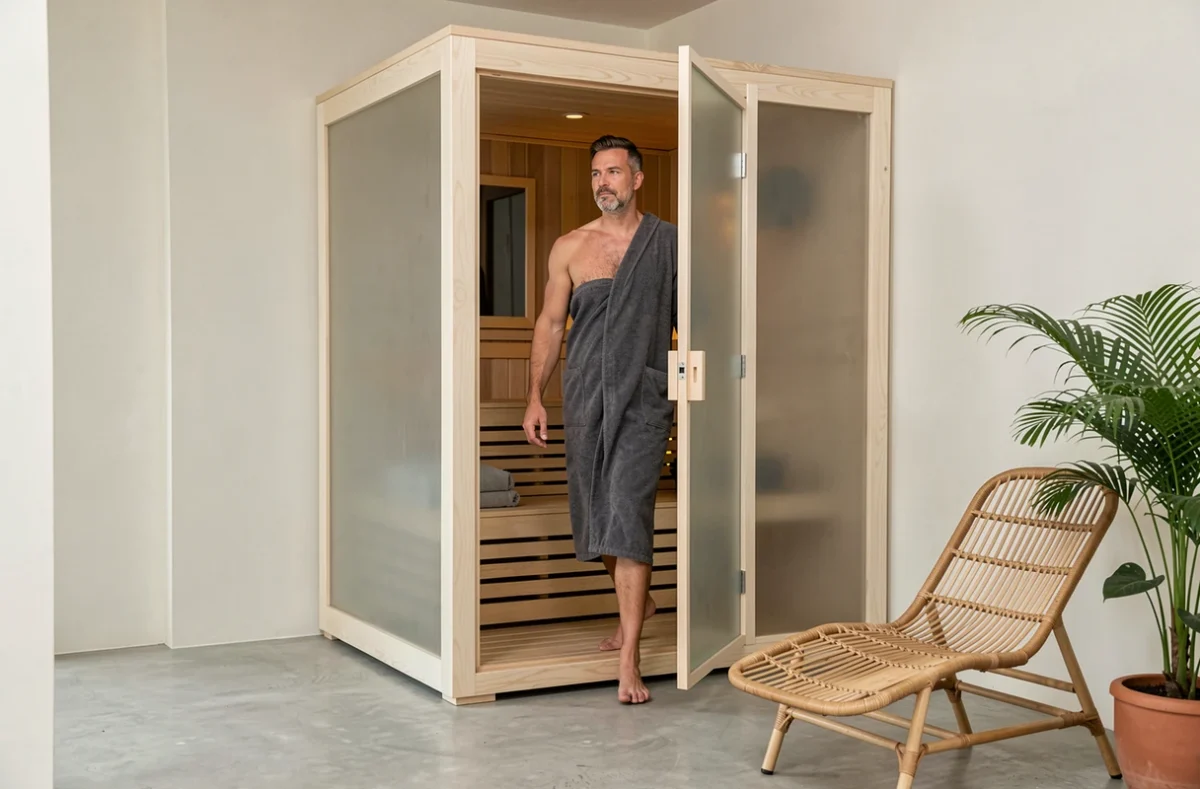
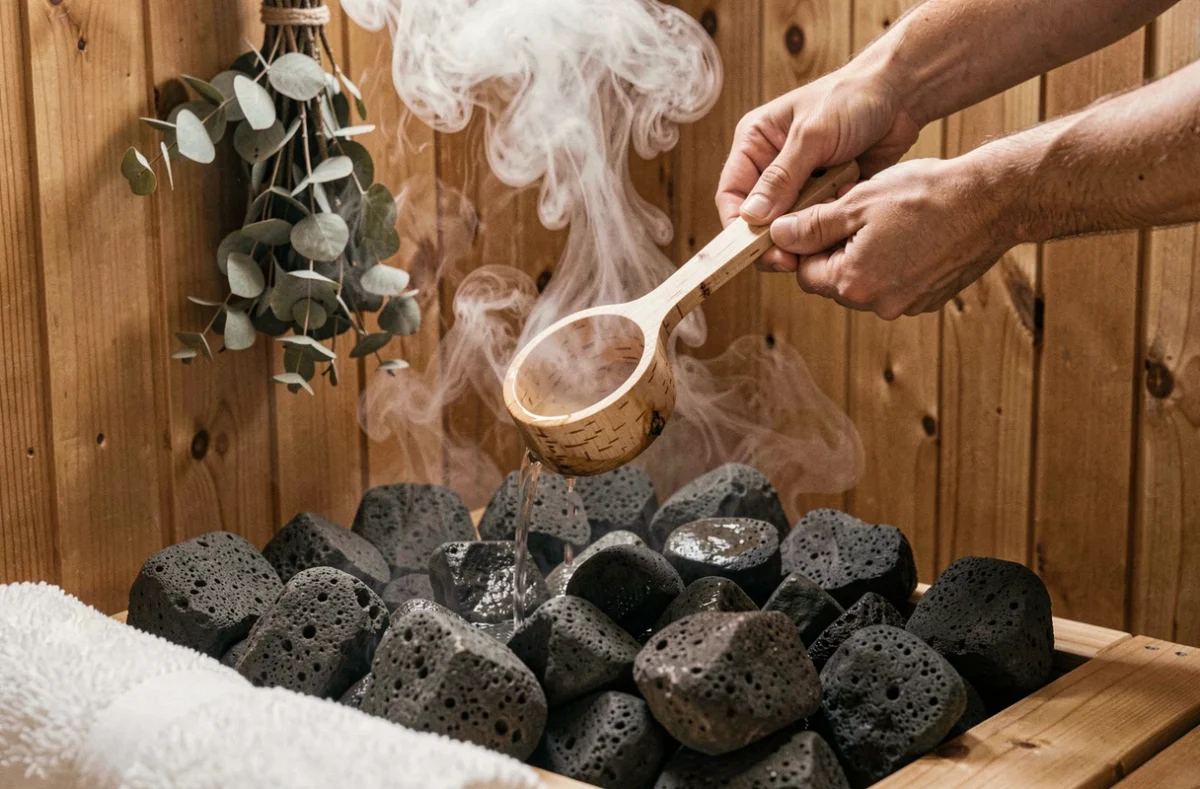
The mode of thermal transfer determines the physiological experience, not just the comfort felt. A traditional Finnish sauna operates by convection: the ambient air is heated to a high temperature, and sweating is triggered by the rise in surface body temperature.
The infrared sauna uses radiation that penetrates the skin tissues without heating the air as intensely. The sensation of heat is milder, and the cabin temperature remains moderate. This type of sauna is often highlighted for relieving muscle and joint pain, with a generally shorter session time.
The steam sauna (sometimes confused with the hammam) maintains a humidity-saturated atmosphere. The intended benefits are more dermatological and respiratory: skin hydration, nasal passage clearance.
- Finnish sauna: dry heat by convection, intense sweating, suitable for regular users seeking a marked cardiovascular effect
- Infrared sauna: direct radiation, moderate cabin temperature, focused on muscle recovery
- Steam sauna: high humidity, skin and respiratory benefits, often better tolerated by beginners
We recommend not presenting these three types as interchangeable. The choice depends on the users’ profile, frequency of use, and any potential pathologies.
Medical contraindications and risk factors in the sauna cabin
Health status determines the safety of a session more than duration or temperature. Individuals suffering from uncontrolled hypertension, unstable heart conditions, renal insufficiency, or sweating disorders should seek medical advice before any exposure.
Some medications, particularly diuretics, increase the risk of dehydration and blood pressure drops in the cabin. Symptoms such as dizziness, nausea, palpitations, or balance disorders require immediate exit.
Alcohol is a specific risk factor that too many wellness spaces underestimate. It enhances vasodilation, worsens dehydration, and disrupts thermoregulation. Safety recommendations advise against using the sauna before, during, or just after consuming alcohol.
A responsible operator displays these contraindications visibly at the cabin entrance. The presence of a recommendation sheet is not just a commercial gesture: it contributes to risk management for an ERP.
Designing a relaxation space around the sauna
The cabin alone is not enough to create a complete relaxation experience. The surrounding space plays a direct physiological role: the cooling phase between two cabin sessions conditions cardiovascular benefits and recovery.
- A cold shower or plunge pool allows for controlled thermal shock, stimulating vasoconstriction after vasodilation in the cabin
- A lying rest area at ambient temperature promotes calm and rehydration
- Access to fresh water immediately near the cabin reduces the risk of dehydration between sessions
- Dimmable lighting and appropriate sound insulation extend the relaxation effect without requiring expensive equipment
The hot-cold-rest alternation is the basic protocol for a structured session. A space that does not provide for this circulation significantly reduces the benefits felt by users.
The integration of a jacuzzi or cold pool depends on the budget and available space, but even minimal arrangements (shower, bench, water point) transform the experience. The most advanced wellness spaces incorporate these elements into a smooth flow, without interruption of circulation.
The quality of a sauna space is measured less by the power of the stove than by the coherence of the whole: ventilation, materials, safety protocol, cooling pathways. A well-designed sauna protects as much as it relaxes.