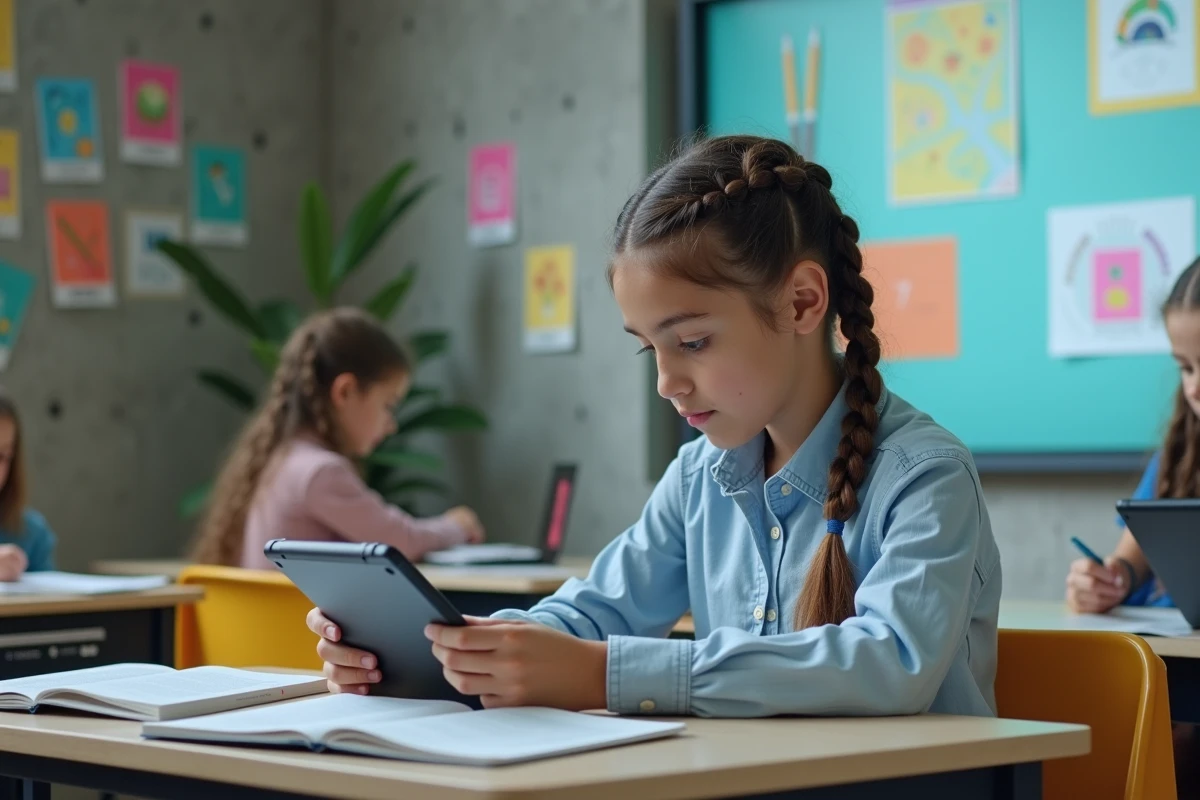
An algorithm is already mapping the paths of certain students, adjusting recommendations and content on the fly. Universities are forming alliances with start-ups, injecting data science into skills assessment. On some adaptive learning platforms, struggling students progress twice as fast as with traditional methods.
The gap is widening between institutions that invest in digital technology and those that remain on the sidelines of this transformation. Teachers, for their part, see their mission evolving. They now work with artificial intelligence tools capable of analyzing, correcting, identifying weaknesses, and suggesting personalized pathways for each student.
When innovation redefines the stakes of education
Technology is shaking up the old balances of education. What was once considered utopian, the personalization of learning, is now a tangible reality in practice. Thanks to artificial intelligence and data analysis, each learner can follow a customized path. Platforms like mitxdesigntech.org embody this ongoing evolution, blending digital innovation and pedagogy to shape the face of the school of tomorrow.At the heart of this dynamic, organizations like UNESCO, UNICEF, and GPE are committed to disseminating these educational technologies on a large scale. Partnerships between governments, NGOs, and institutions are reshaping the ecosystem, while virtual reality and augmented reality offer immersive learning experiences that go beyond the classroom. Online learning is becoming synonymous with increased accessibility, gradually breaking down geographical barriers.The rise of educational technology also raises unprecedented ethical questions. The risks of algorithmic bias, personal data protection, and cybersecurity issues are now central to the debate. Institutions must remain vigilant: ensuring the transparency of tools, protecting information, and reassuring parents and students. Solutions are emerging, such as blockchain and digital certification, providing more reliability in skills validation.The transformation is radical: the way we learn and teach is adjusting under the influence of artificial intelligence, quantum computing, and adaptive systems. In this changing context, the ability to evolve becomes everyone’s business, fueled by constant reflection on the impact of technology in shaping the citizens of tomorrow.
What tools and methods are transforming learning today?
This upheaval is embodied in the adoption of digital resources and innovative pedagogical solutions. Online learning platforms now structure the educational offering: they centralize courses, ensure individualized tracking, and make diverse content accessible to a wide audience. LMS (learning management systems) streamline interactions, enable continuous assessment, and stimulate collaboration among learners.MOOC and SPOC formats open new horizons for distance learning. What matters most? Modularity, adaptability, interactivity. Thanks to virtual reality and augmented reality, students immerse themselves in concrete contexts: simulating medical procedures, conducting laboratory experiments, exploring architectural structures. These new practices anchor knowledge and promote the acquisition of operational skills.
Among the methods and innovations that are gaining traction, we can mention:
- Adaptive learning: personalized content and pace through data analysis.
- Gamification: introducing game-inspired mechanisms to enhance engagement.
- Reverse mentoring and intergenerational collaboration: enriching exchanges between juniors and seniors that renew collective dynamics.
Mobile applications make access to courses possible anywhere, including in remote areas. Open educational resources facilitate the dissemination of knowledge and allow for local adaptation of content. The use of data analytics refines tracking, detects dropout risks, and helps teaching teams respond more quickly.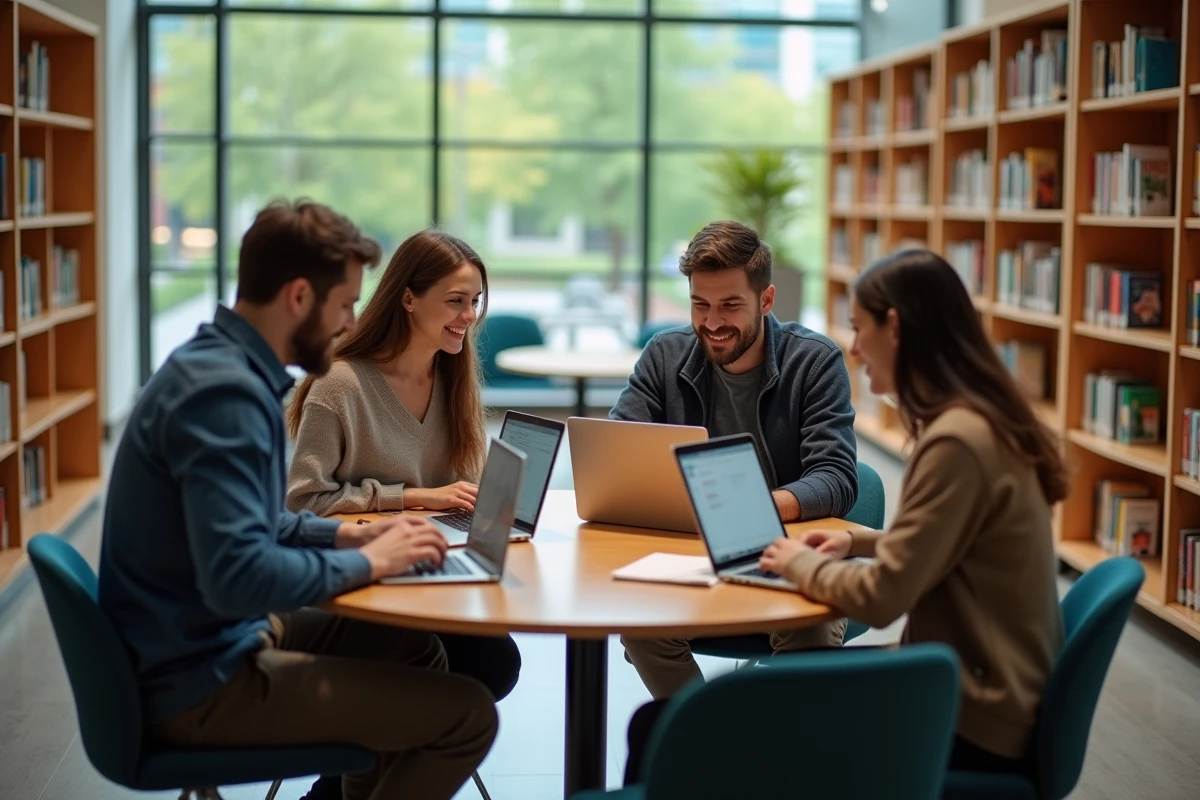
Inclusion and the skills of tomorrow: towards a more open school through technology
Inclusion is emerging as one of the major challenges of the digital revolution in education. With assistive technologies, students with disabilities benefit from new forms of accessibility: text-to-speech, real-time subtitles, adapted interfaces. Open educational resources (OER) promote a horizontal flow of knowledge, free from financial or geographical barriers. Numerous cost-effective initiatives, led by international actors, aim to bridge the digital divide that still isolates entire regions.The mastery of digital skills is becoming an essential foundation. The use of platforms, access to micro-certification, and continuing education encourage lifelong learning. This hybridization, which combines practice and interdisciplinarity, prepares young people for jobs in constant evolution.In the face of these changes, everyone is adjusting their bearings. Students benefit from collaborative tools, virtual tutors, and peer mentoring. Teachers, supported by artificial intelligence and professional development programs, refine their ability to adapt. As for institutions, they are seeking a path: they are betting on innovation without neglecting human support, aware of the risks of demotivation or exclusion.
Here are two developments worth highlighting:
- Intergenerational learning is gaining momentum: sharing experiences and reverse mentoring create new bridges between generations.
- The flexibility of curricula and the openness of resources redefine the classroom, now connected to the outside world.
The classroom is no longer limited to four walls or a whiteboard: it stretches, adapts, and reinvents itself every day. Technology does not promise to solve everything, but it shifts boundaries and perhaps reinvents our way of learning, teaching, and transmitting knowledge.